Collaging with Care
Decolonising Mental Health Exhibition
Waldron Health Centre / TIAN
October – December 2025
Waldron Health Centre / TIAN
October – December 2025
Overview
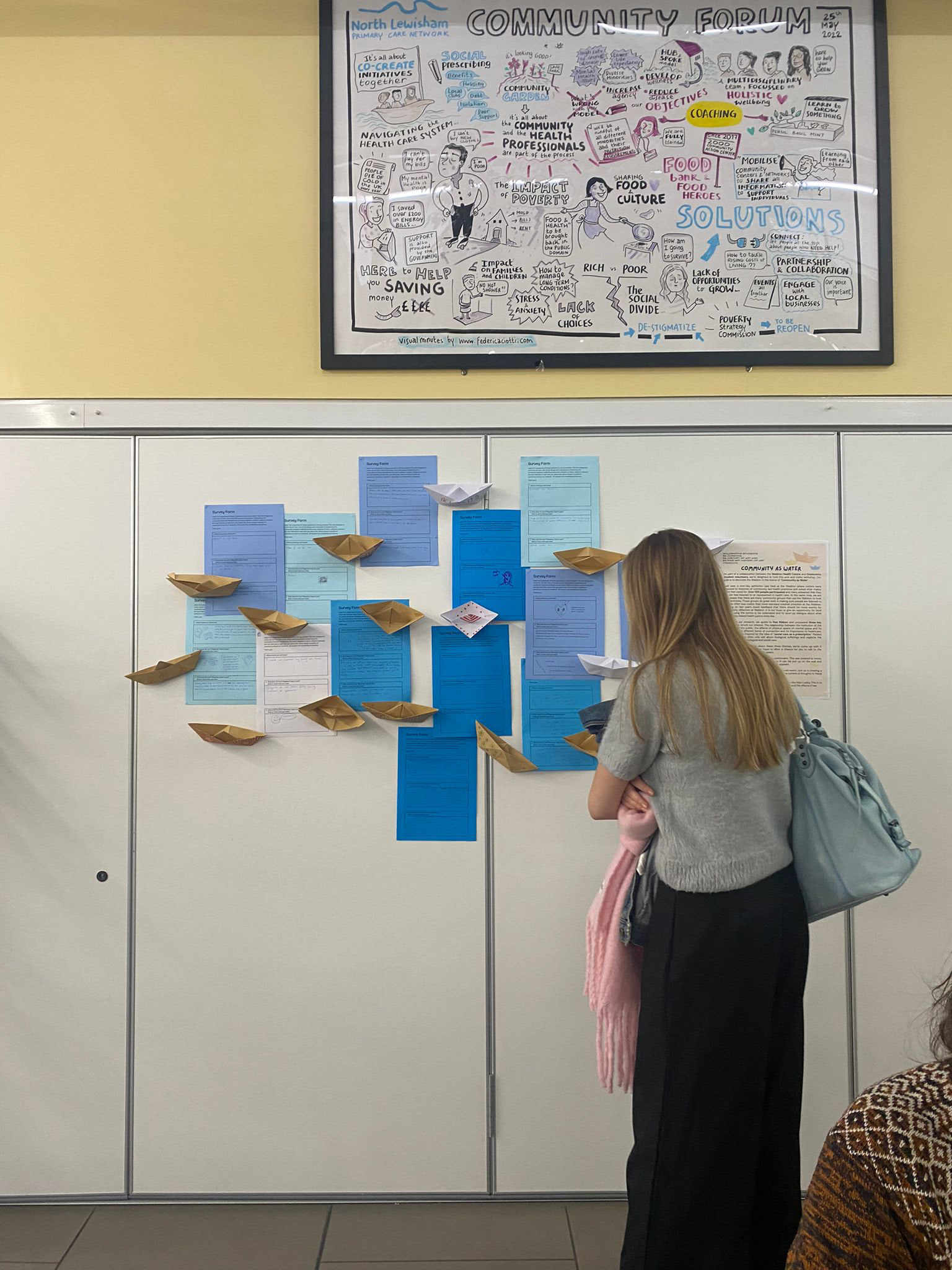
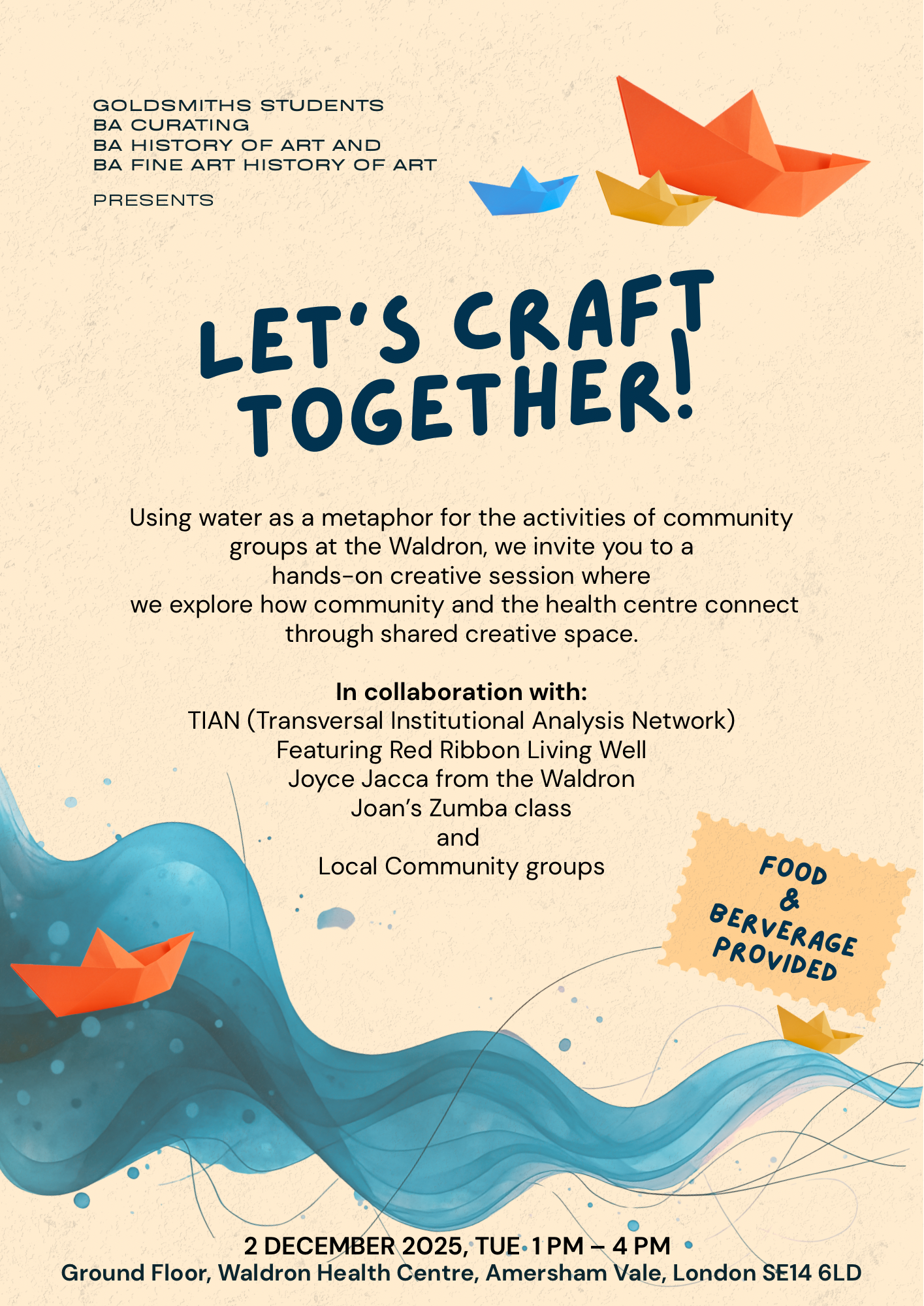
Collaging with Care was a participatory workshop developed as part of the Decolonising Mental Health project at Waldron Health Centre in collaboration with the Transversal Institutional Analysis Network (TIAN).
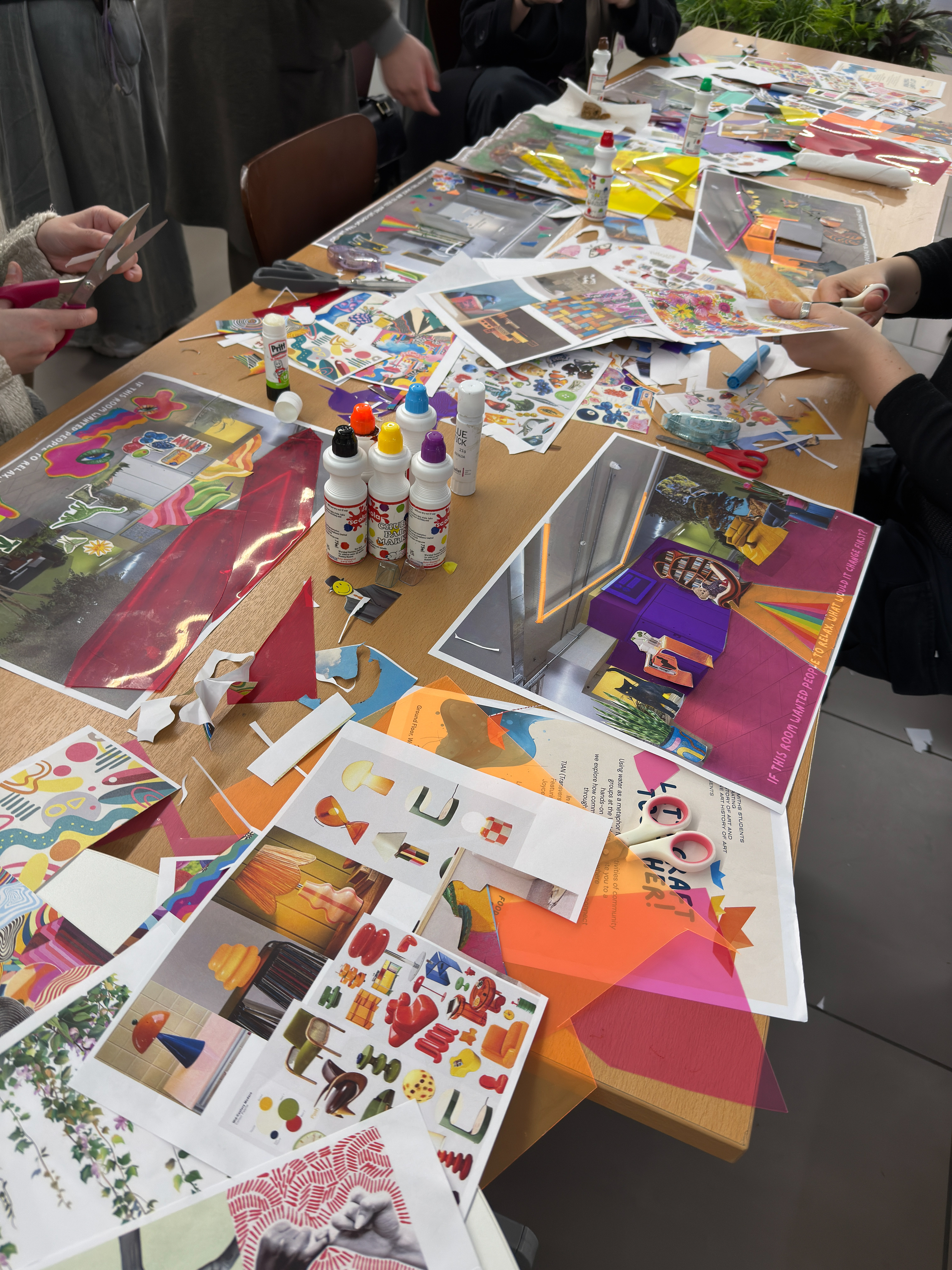
The workshop invited participants to critically engage with healthcare environments through collage-making and collective discussion, exploring how architecture, aesthetics, and institutional design shape experiences of care.
Context
The project emerged from research into Democratic Psychiatry, Institutional Psychotherapy, and Social Therapy movements that developed across Europe and North Africa during the twentieth century.
Working with archival materials, films, texts, photographs, and audio recordings curated by TIAN, our group was asked to develop a public-facing event that would make these histories accessible to contemporary audiences.
Drawing on Jean Oury's writing on atmosphere and institutional life, the workshop focused on how sensory environments influence relationships, behaviours, and feelings of belonging within healthcare settings.
My Role
I contributed to the research, development, facilitation, and public presentation of the project.
I helped design the workshop structure, develop the handbook, produce supporting materials, facilitate participant engagement, and present the project publicly at Waldron Health Centre.
Alongside the workshop, I produced a reflective essay examining the relationship between aesthetics, care, and institutional environments.
Process
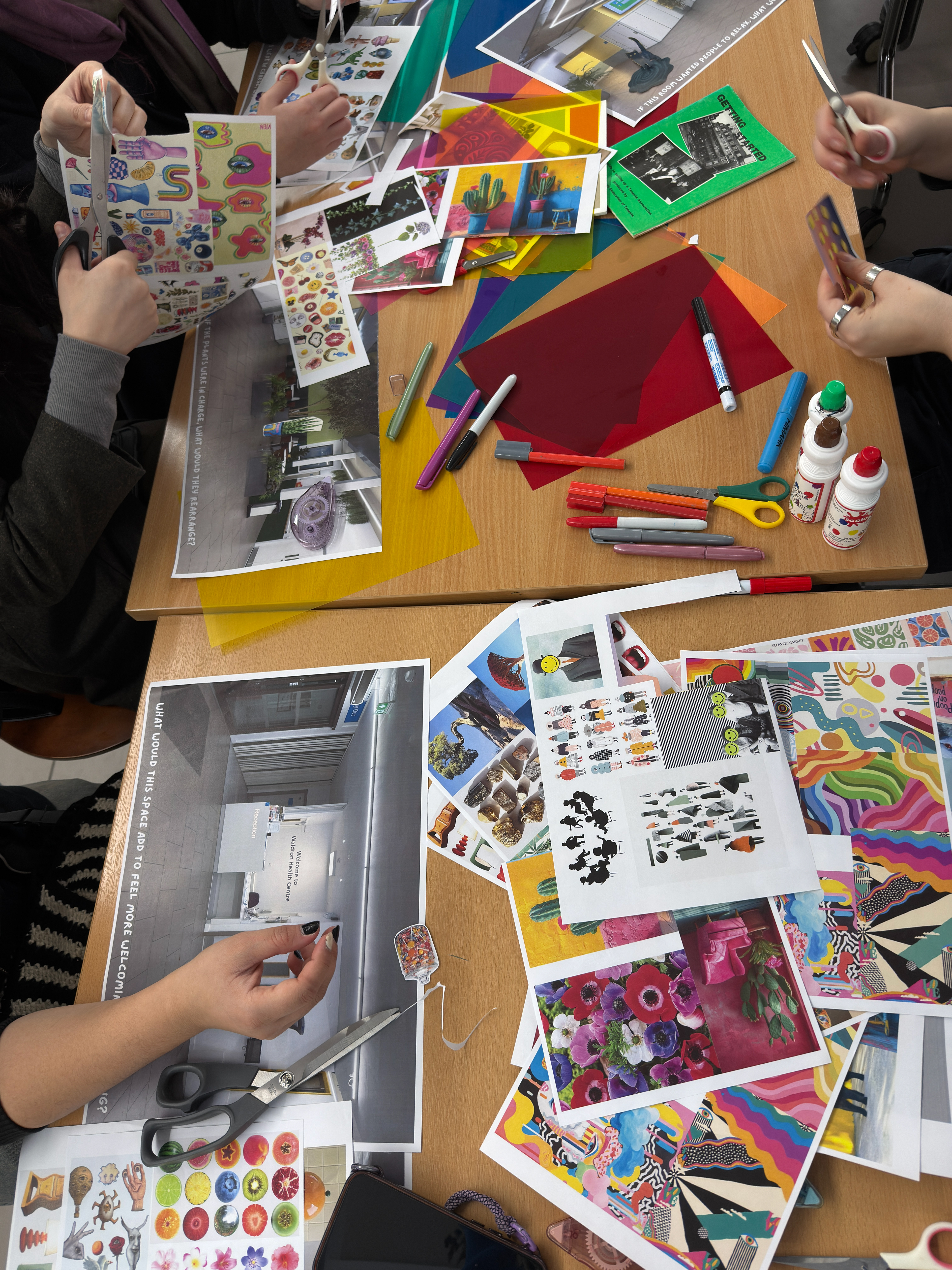
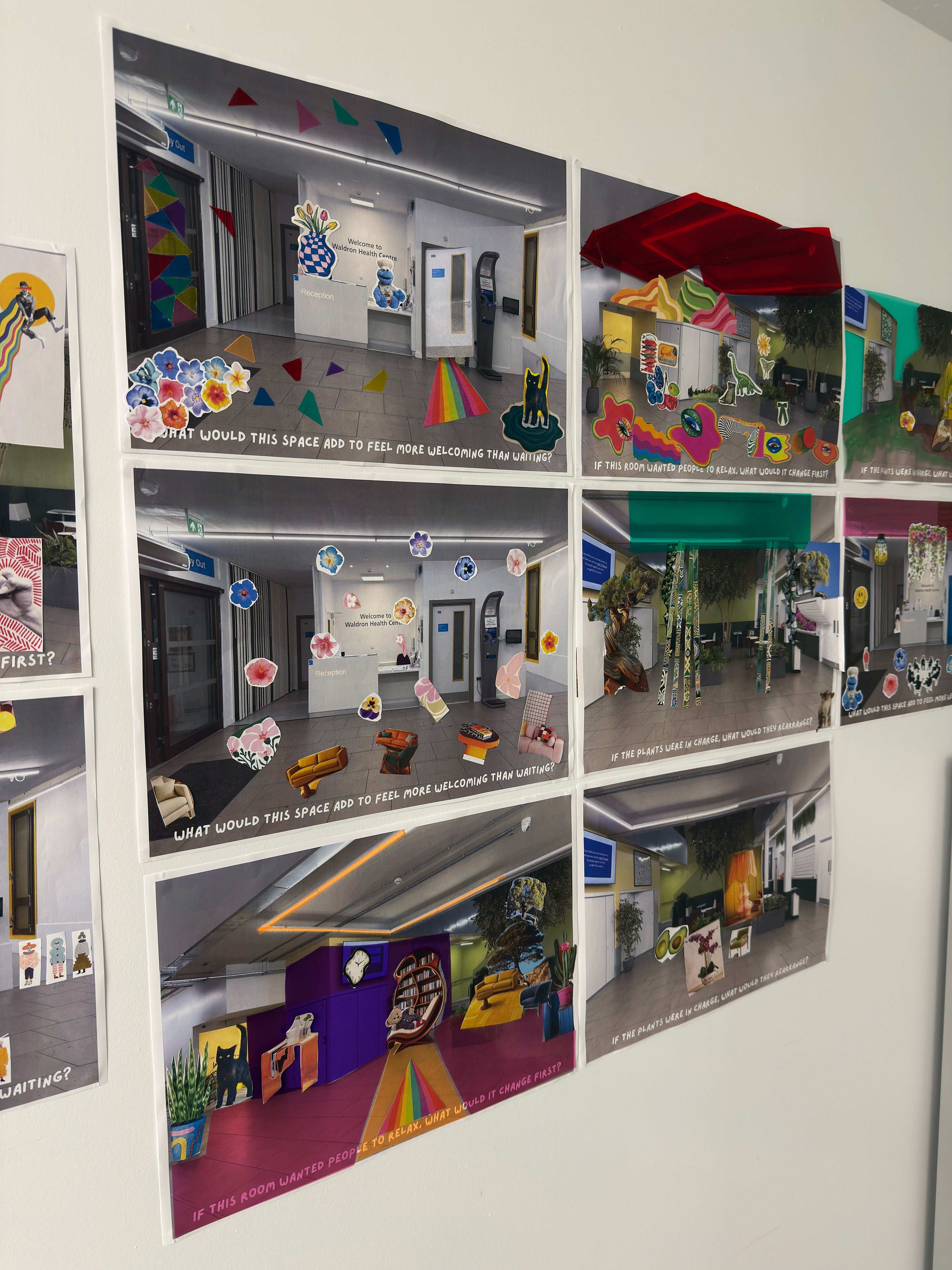
Participants worked directly with photographs of the Waldron Health Centre reception and waiting areas.
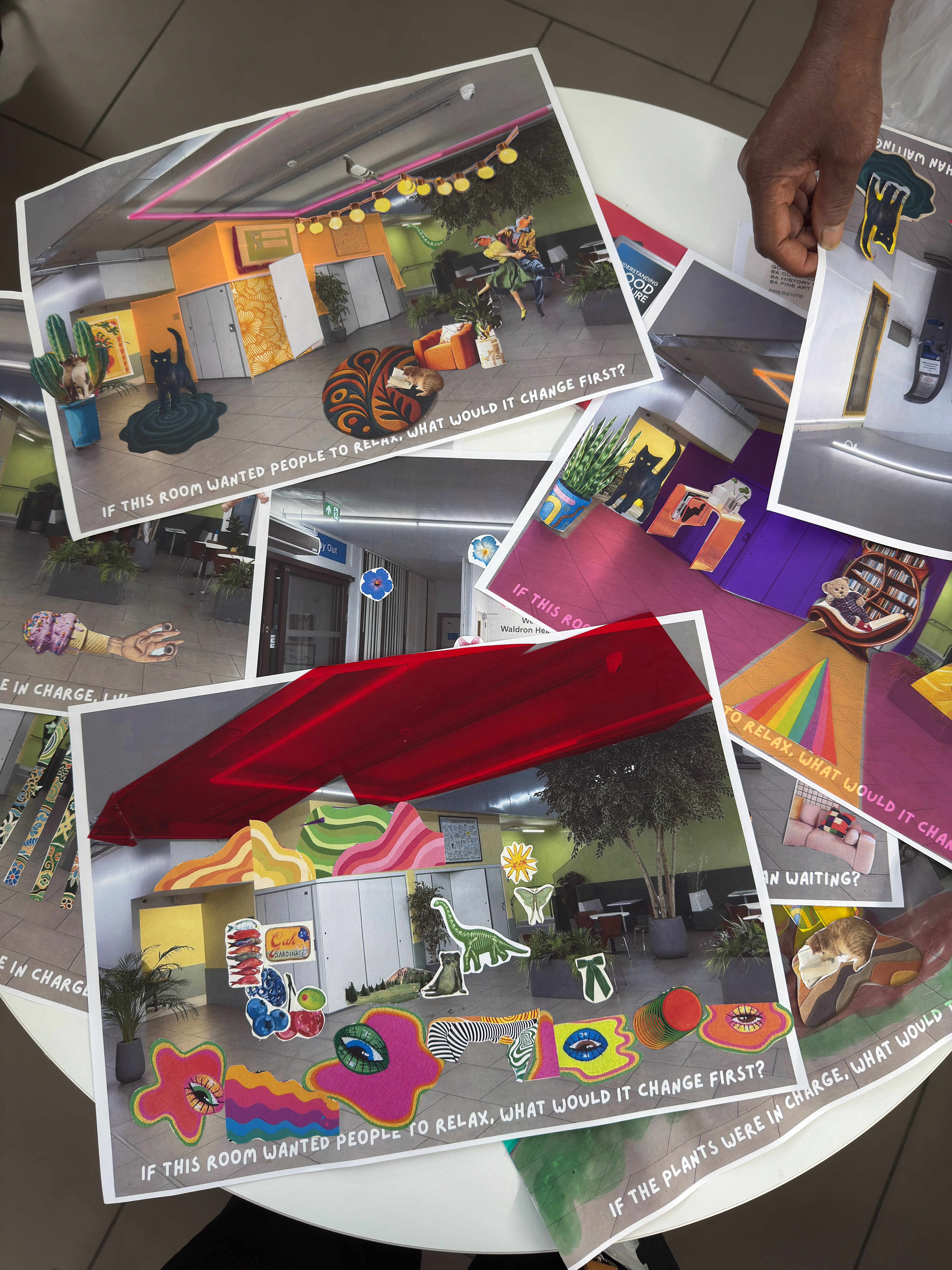
Using collage as a critical tool, they were invited to alter, remove, and reimagine elements of the space through a series of indirect prompts designed to encourage reflection without requiring personal disclosure.
Questions such as "If the plants were in charge, what would they rearrange?" encouraged participants to think about care, comfort, hierarchy, and accessibility through the environment itself.
The workshop created space for discussion around how institutional design affects everyday experiences and how small aesthetic interventions can contribute to more caring environments.
Outcomes
The workshop generated a wide range of visual responses and discussions around public health spaces, collective wellbeing, and institutional culture.
The project demonstrated how participatory creative methods can be used to explore complex social and institutional questions while remaining accessible to diverse audiences.
Outputs
• Public workshop
• Public presentation
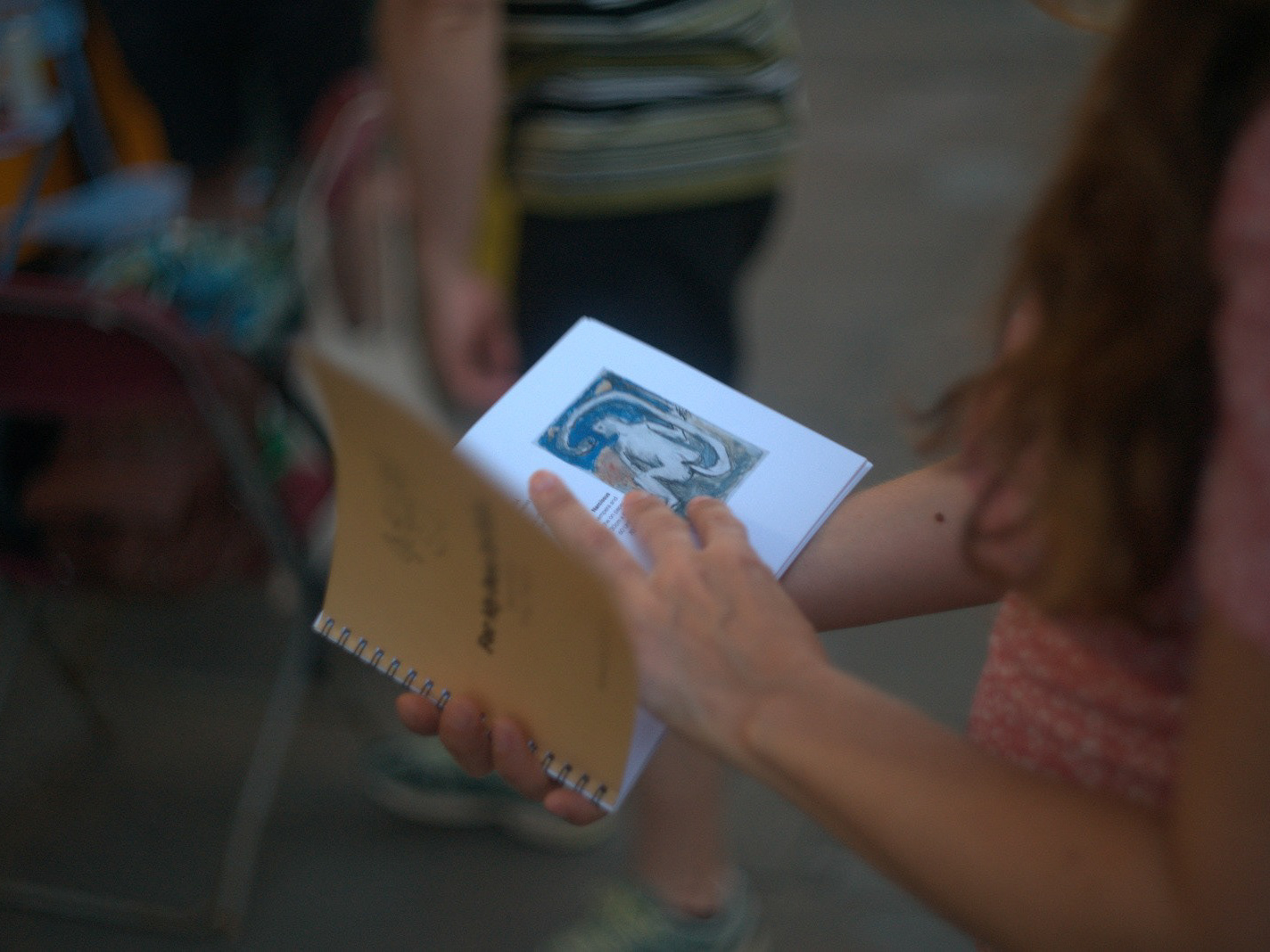
• Workshop handbook
• Research and archival investigation
• Reflective essay
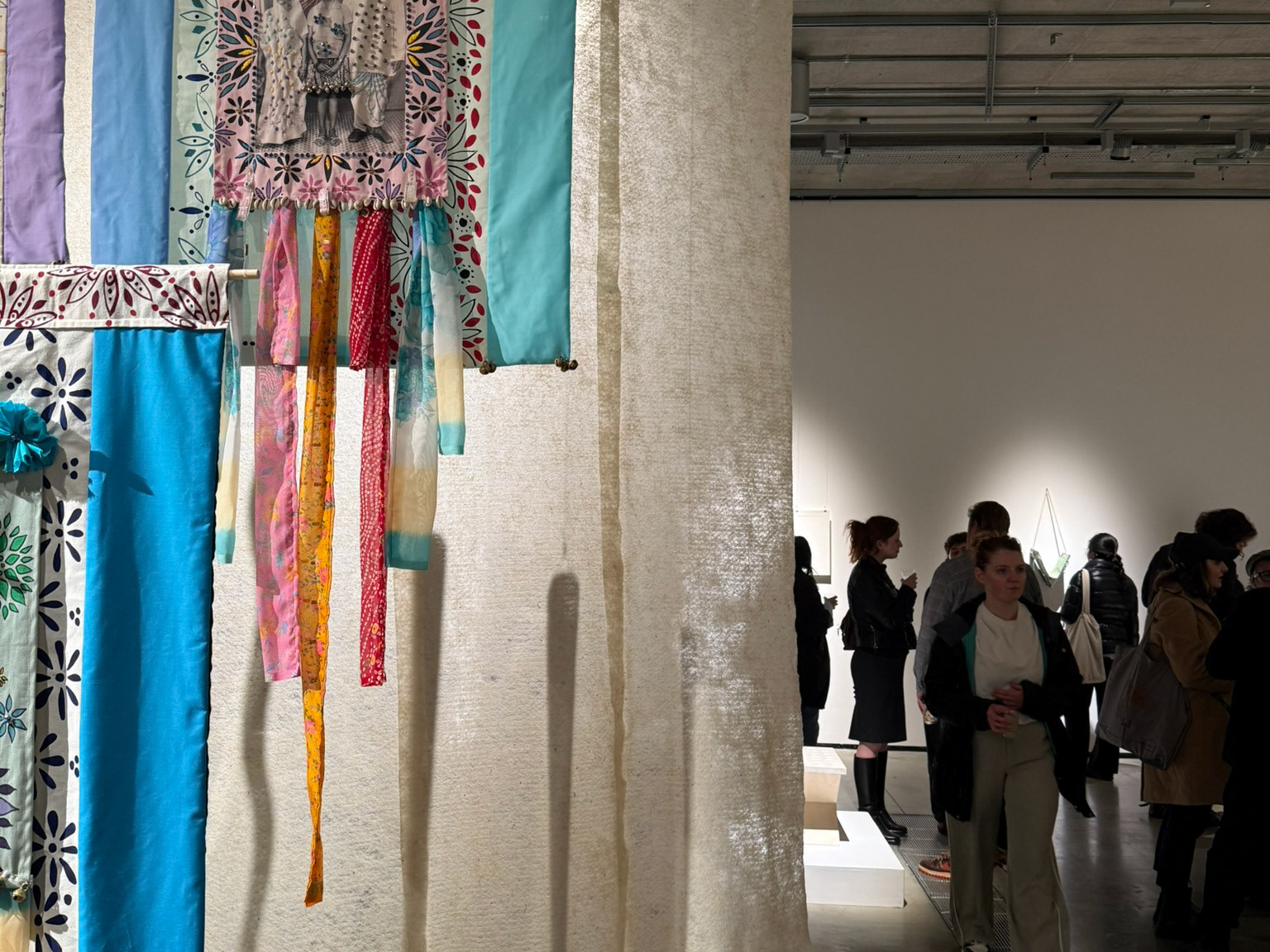
• Exhibition contribution
• Public presentation
• Workshop handbook
• Research and archival investigation
• Reflective essay
• Exhibition contribution
Skills Developed
• Participatory facilitation
• Curatorial research
• Workshop design
• Public engagement
• Institutional analysis
• Exhibition development
• Writing and documentation
• Curatorial research
• Workshop design
• Public engagement
• Institutional analysis
• Exhibition development
• Writing and documentation