Reading Institutions: Sexual Education as Student Activism
Curator & Workshop Facilitator
2025
2025
Overview
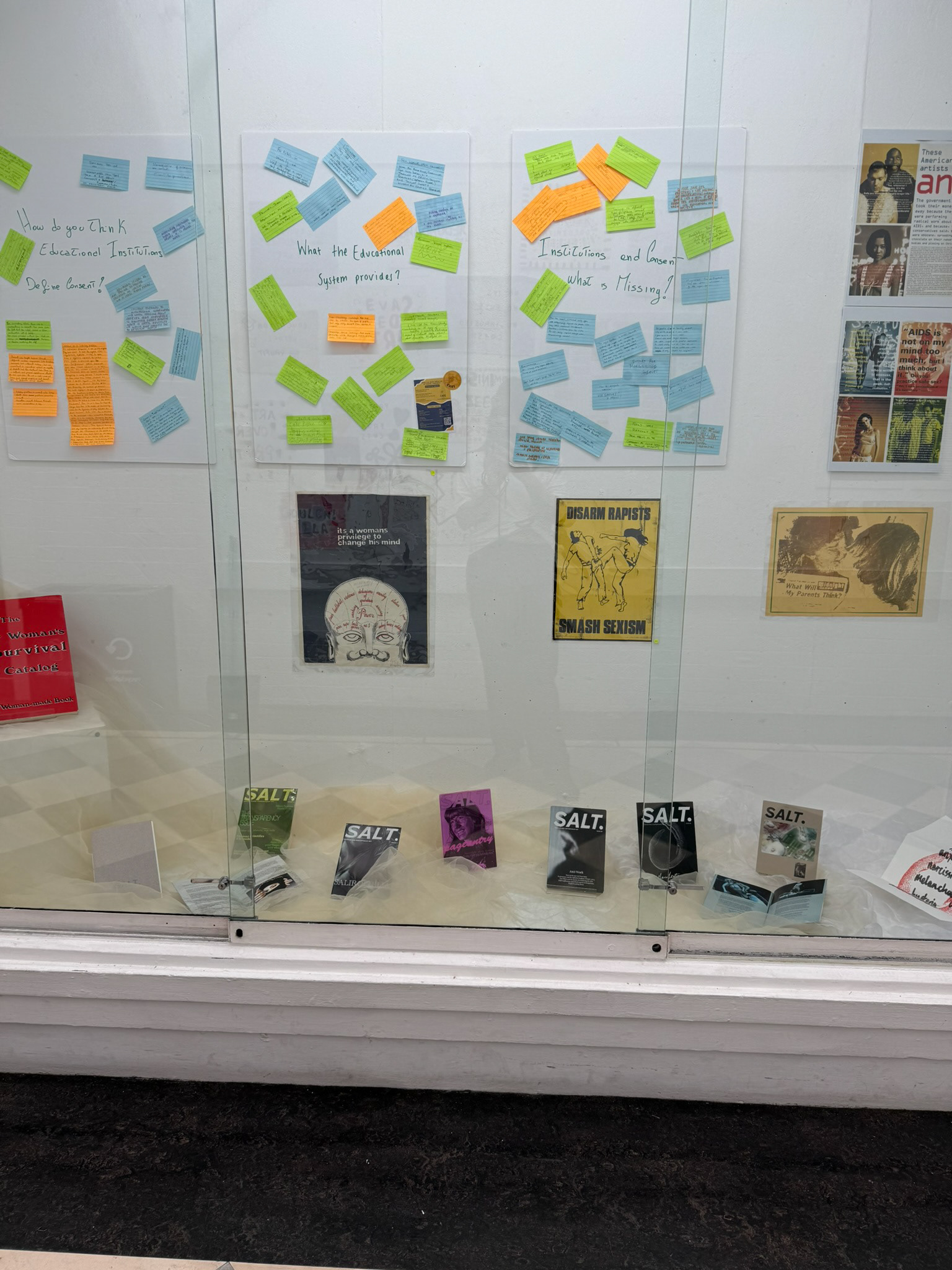
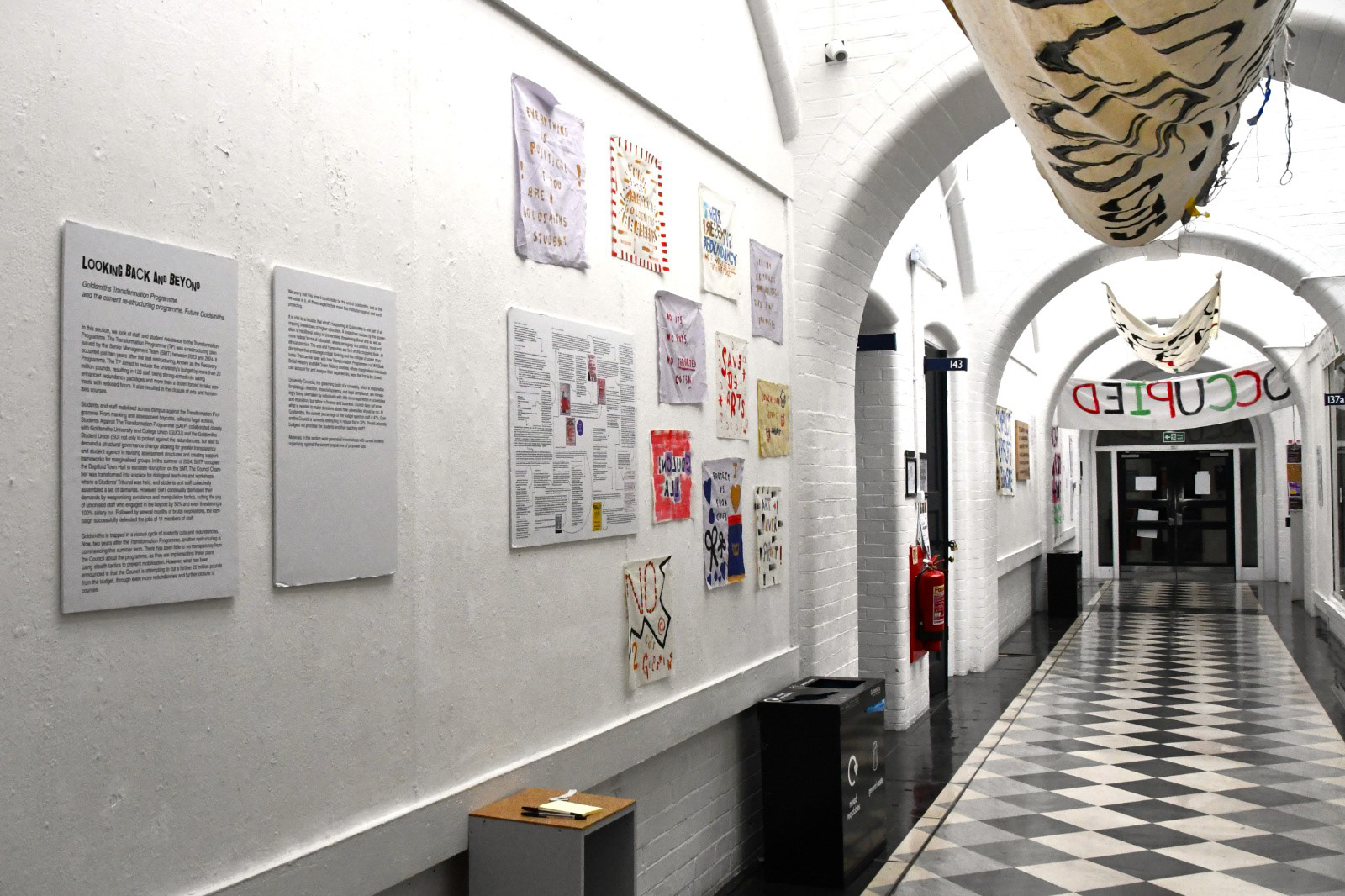
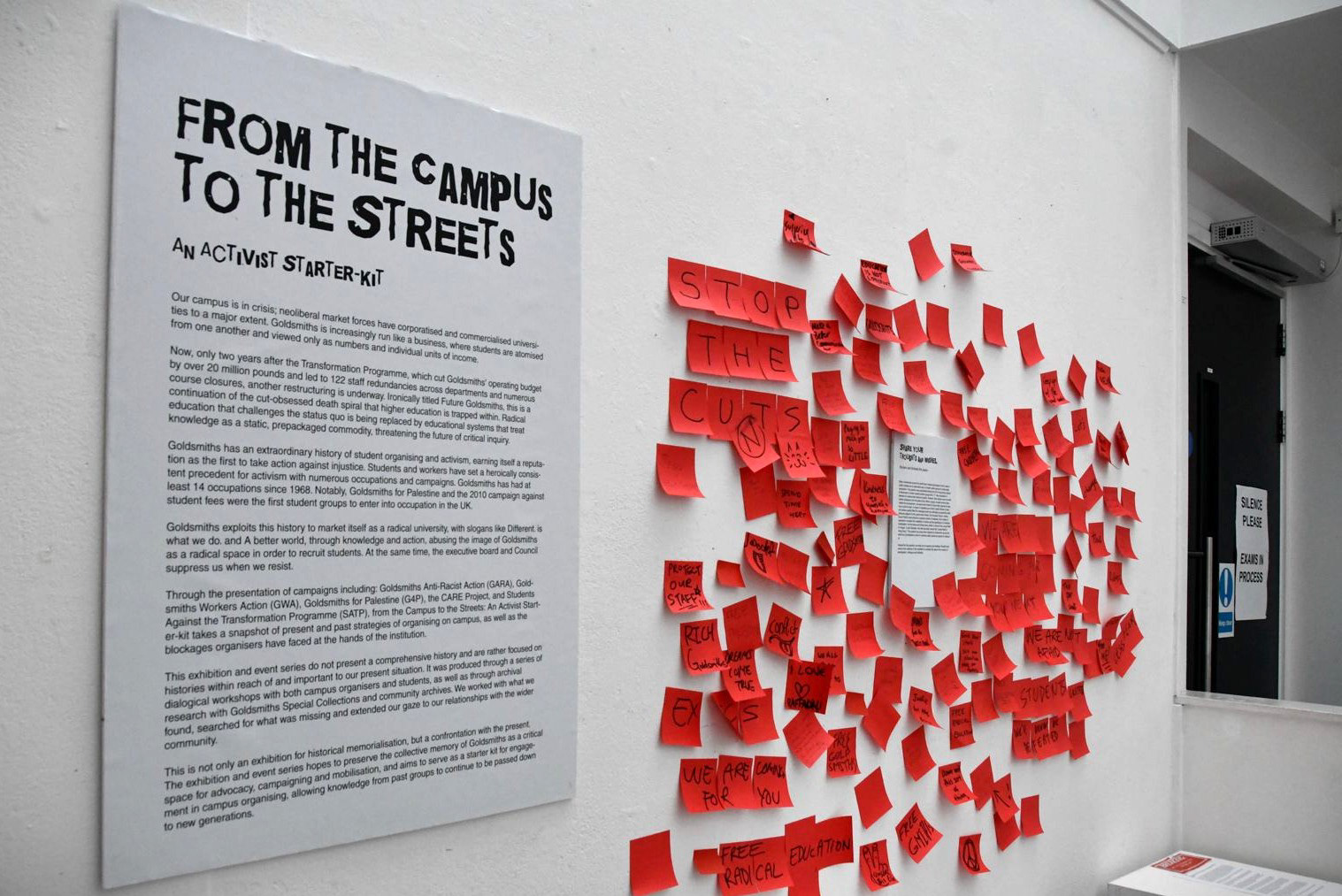
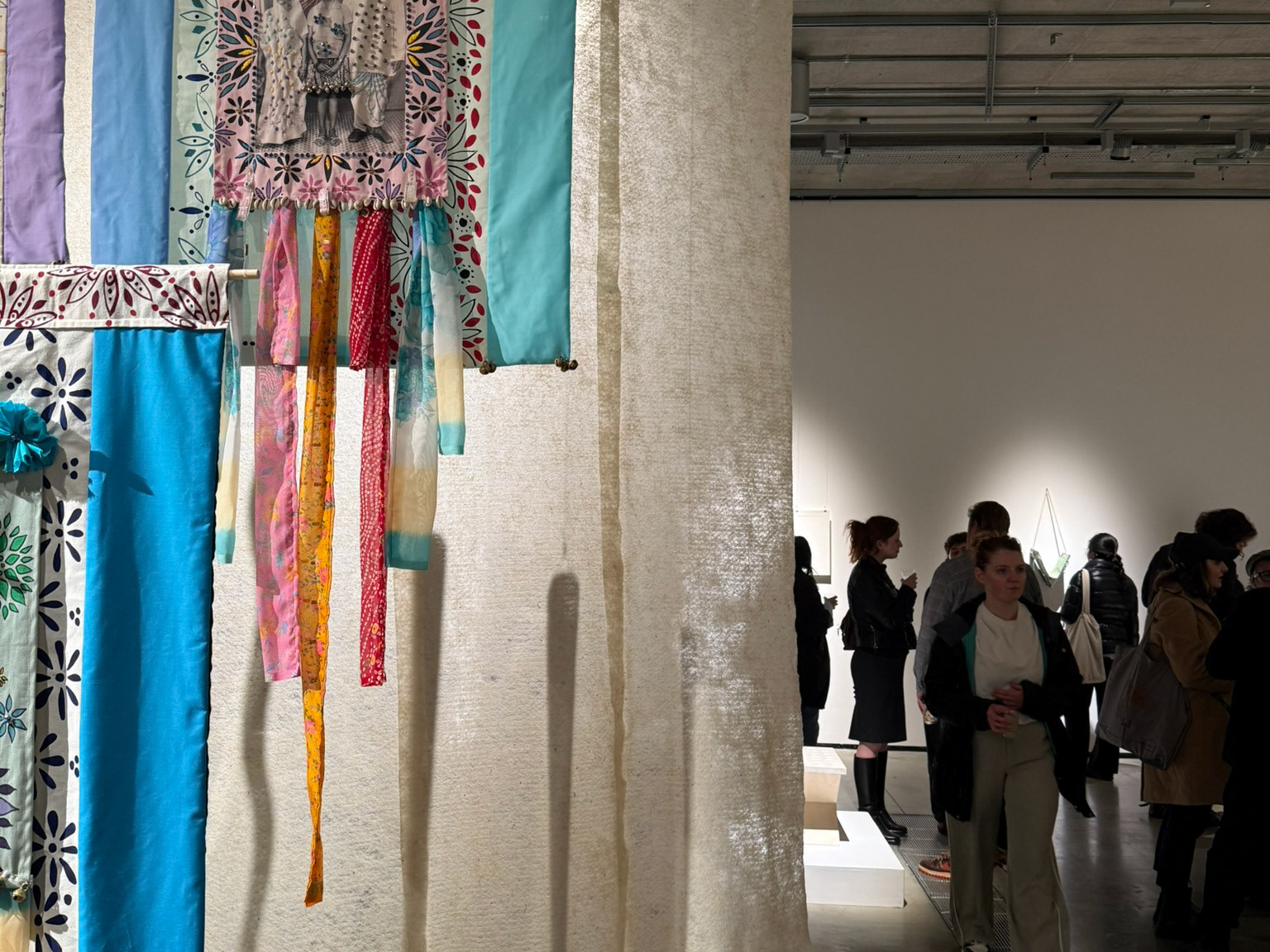
Reading Institutions: Sexual Education as Student Activism was a research-led curatorial project developed in response to the group exhibition From the Campus to the Streets: An Activist Starter-kit.
The project explored the relationship between sexual education, student activism, and institutional knowledge production. Through archival research, participatory discussion, and workshop development, it examined how institutions shape the ways knowledge around sexuality, consent, and bodily autonomy is produced, shared, and contested.
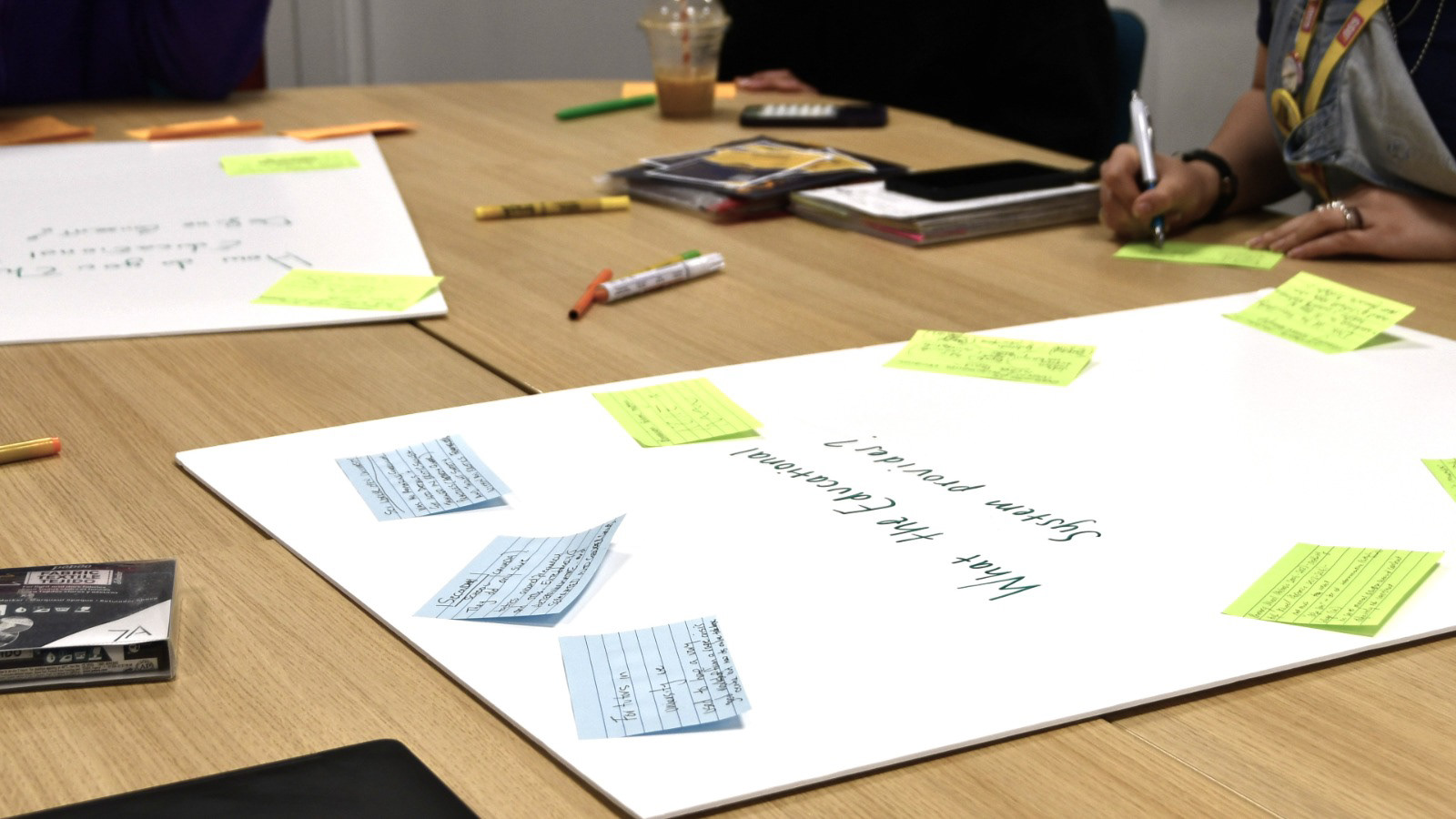
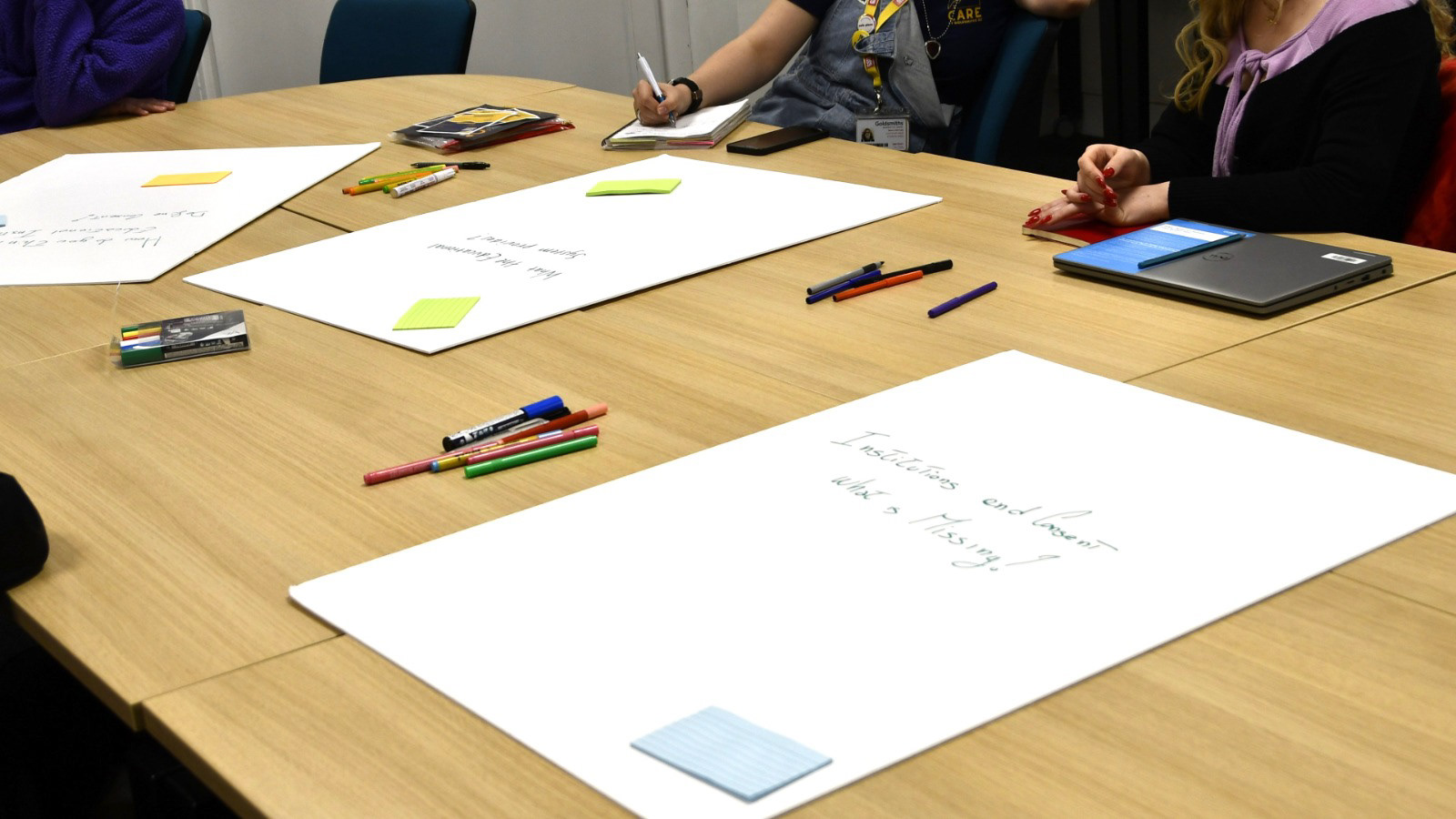
The project resulted in a participatory workshop, exhibition contribution, and the development of THEM CLIT, a reflective handbook documenting and analysing the research process.
Context
The project was developed through engagement with archival materials relating to sexual education, feminist activism, and student-led movements. It considered how educational institutions have historically mediated access to information and how forms of activism have challenged institutional limitations.
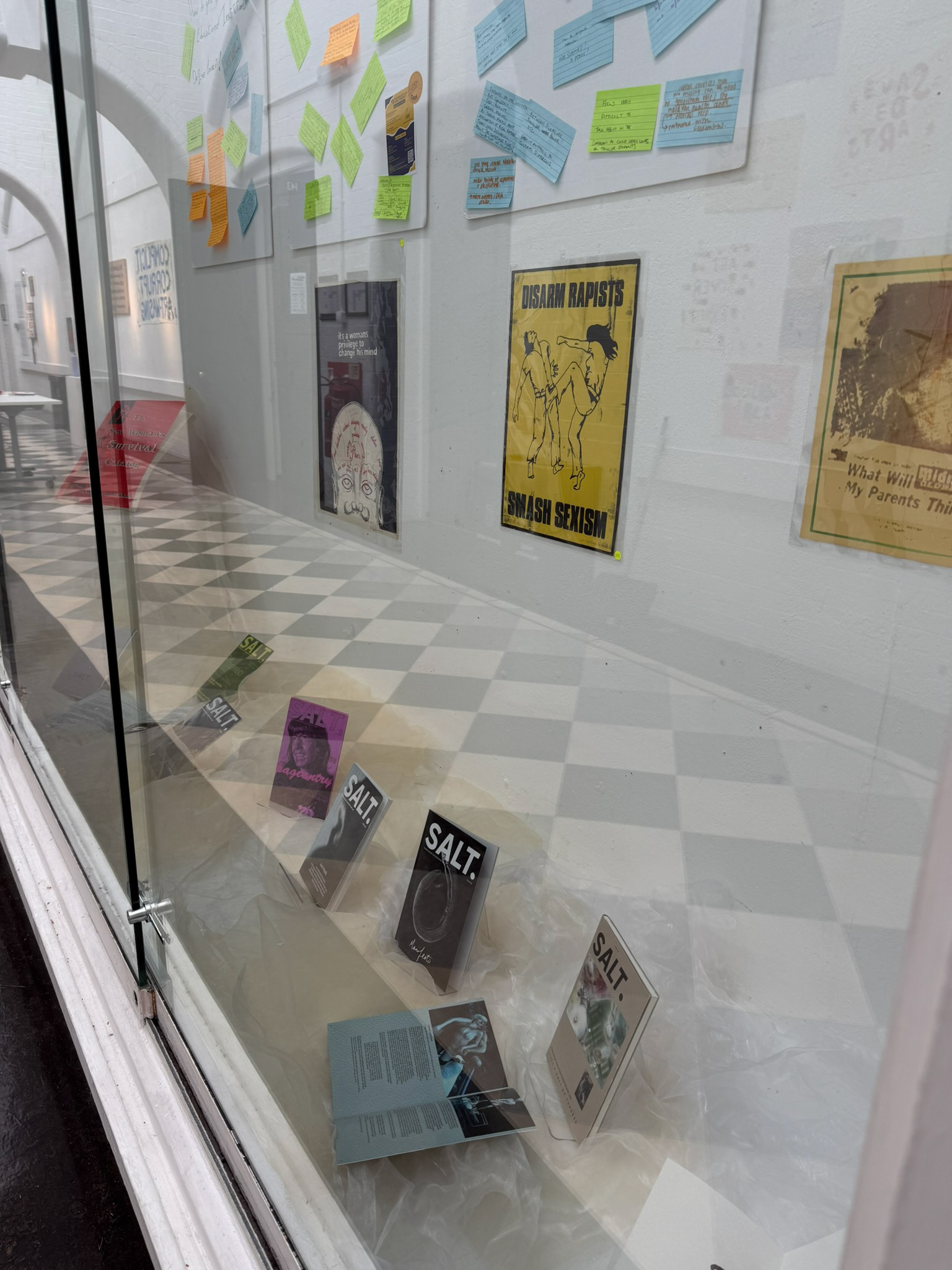
Working with archival resources from the Women's Art Collection archive at Goldsmiths, University of London. , including original copies of SALT Magazine, alongside materials developed through the exhibition process, the project explored the archive as an active space where histories of activism can be revisited and reinterpreted.
The research questioned how knowledge is constructed within institutions and how alternative forms of learning can emerge through collective discussion, artistic practice, and activist methodologies.
My Role
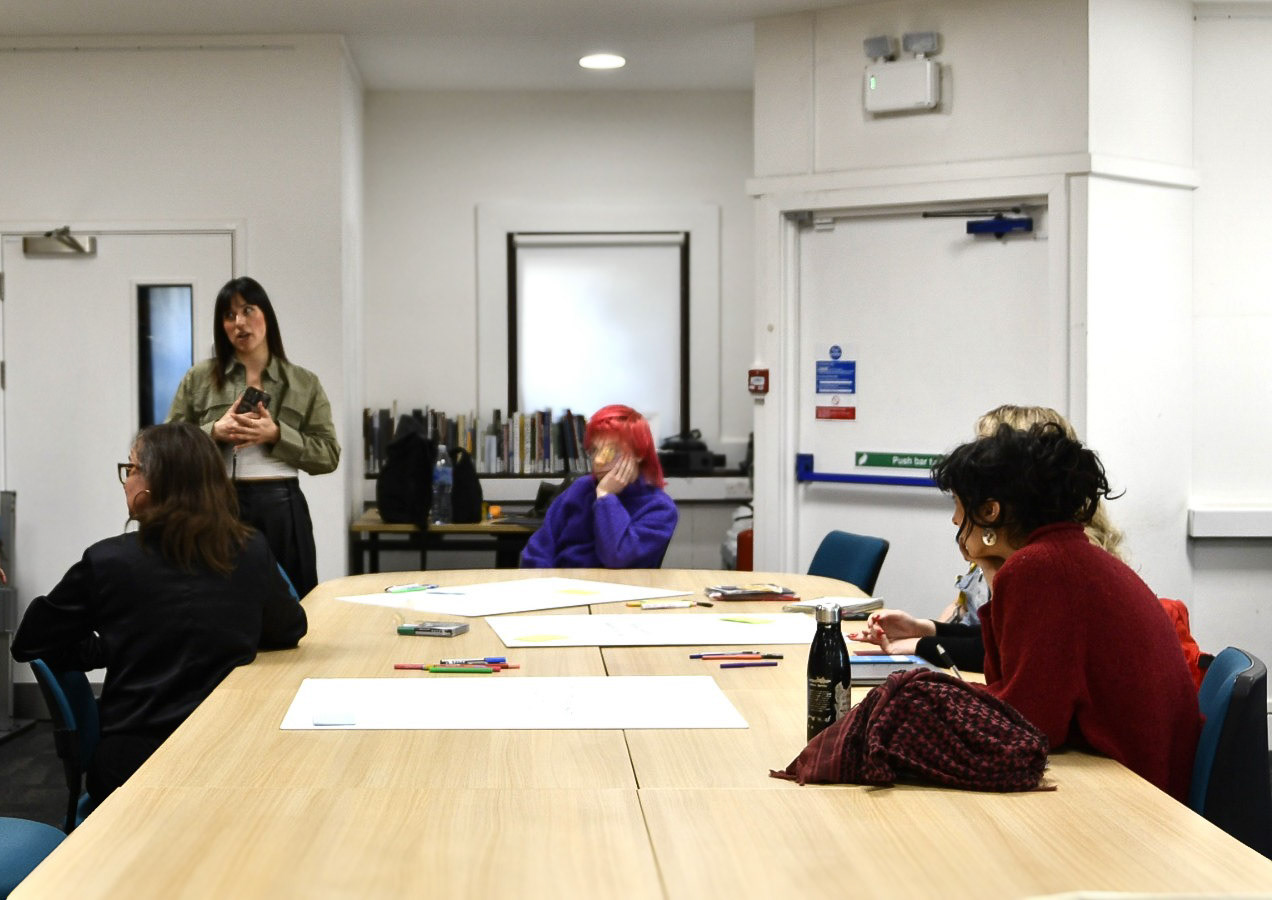
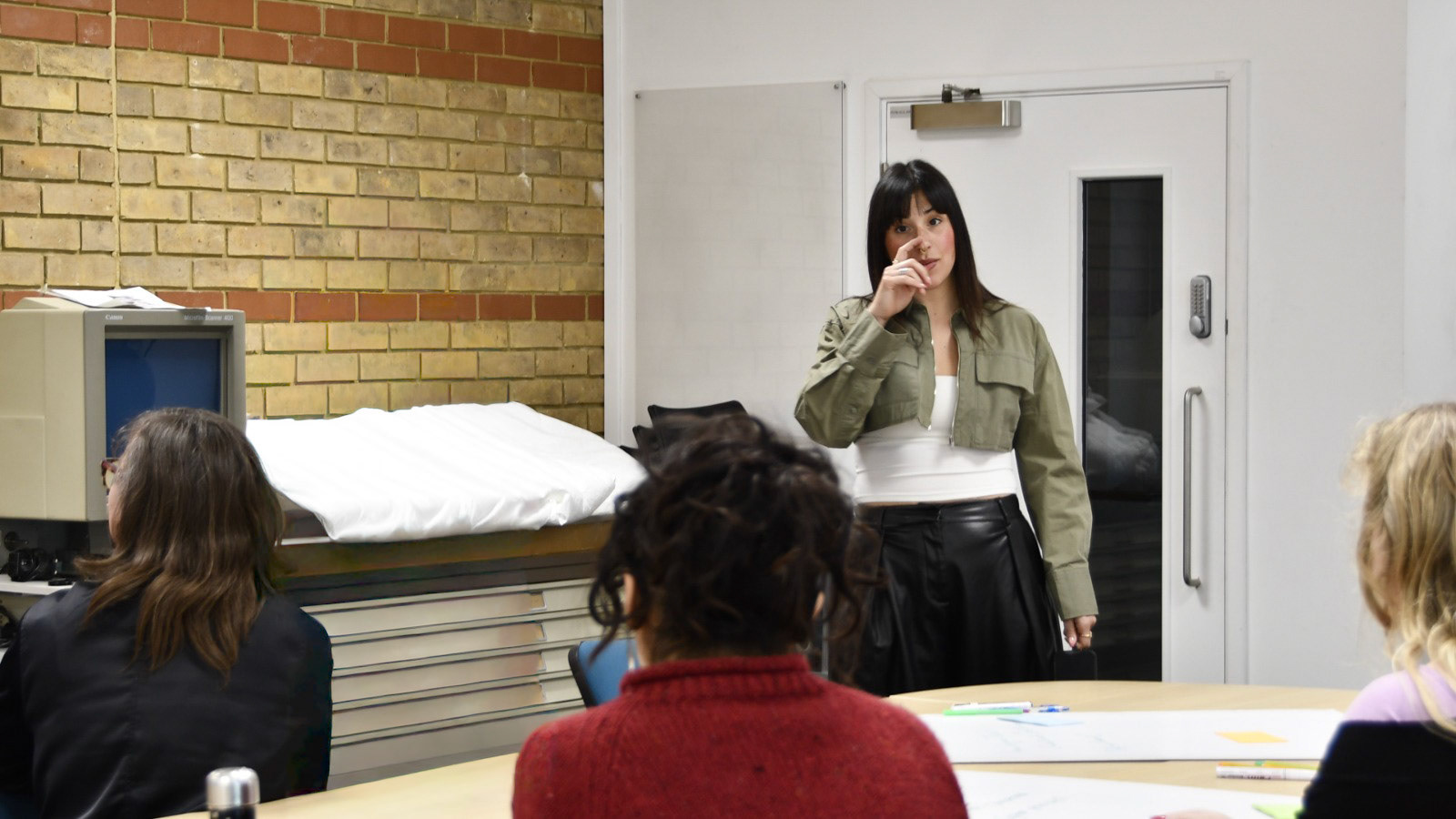
I developed the research direction, contributed to the curatorial development of the project, designed and facilitated the participatory workshop, and produced written documentation reflecting on the process.
My role involved translating archival research into an accessible public format, creating opportunities for participants to critically engage with questions around consent, education, and institutional structures.
Process
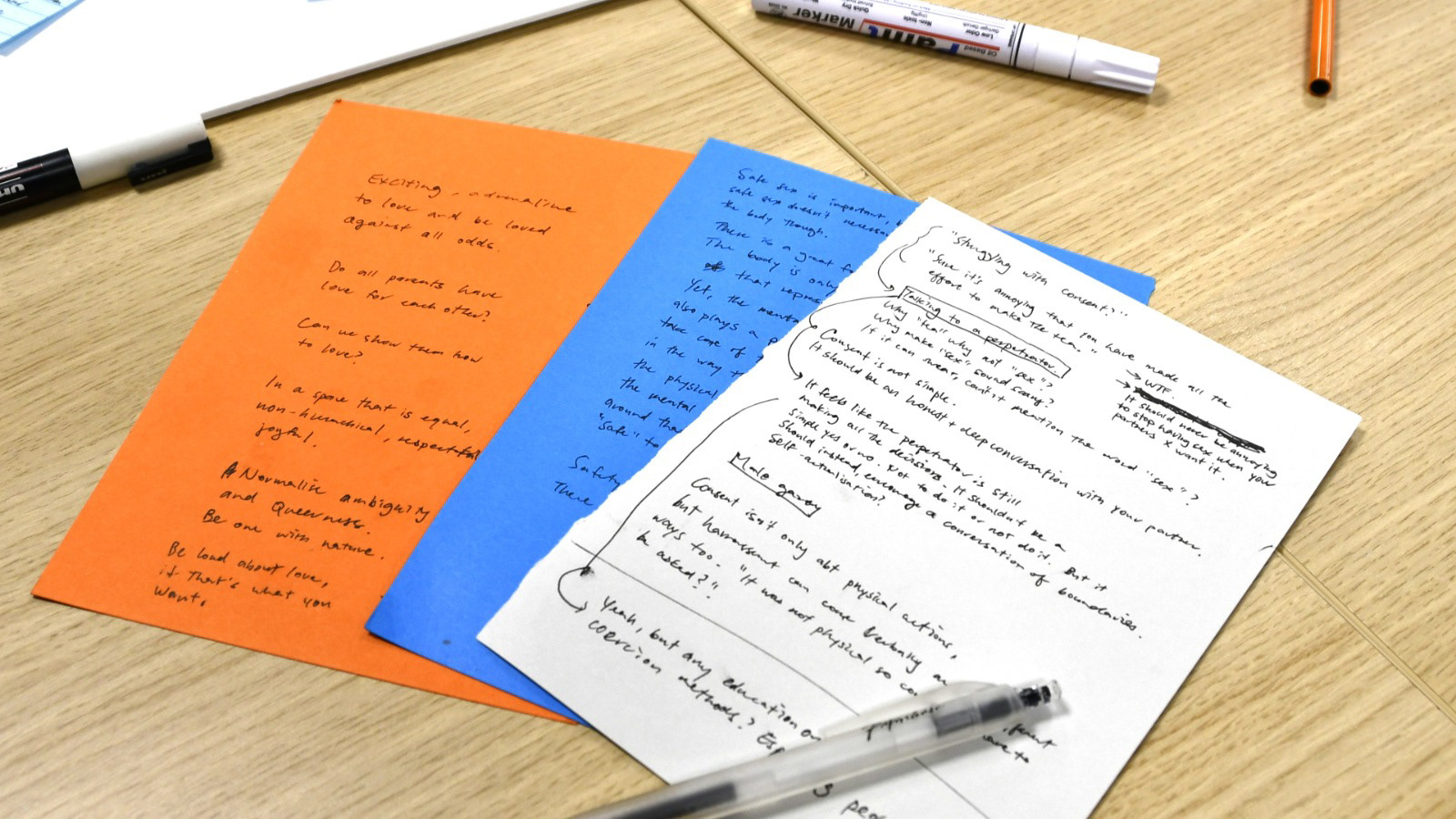
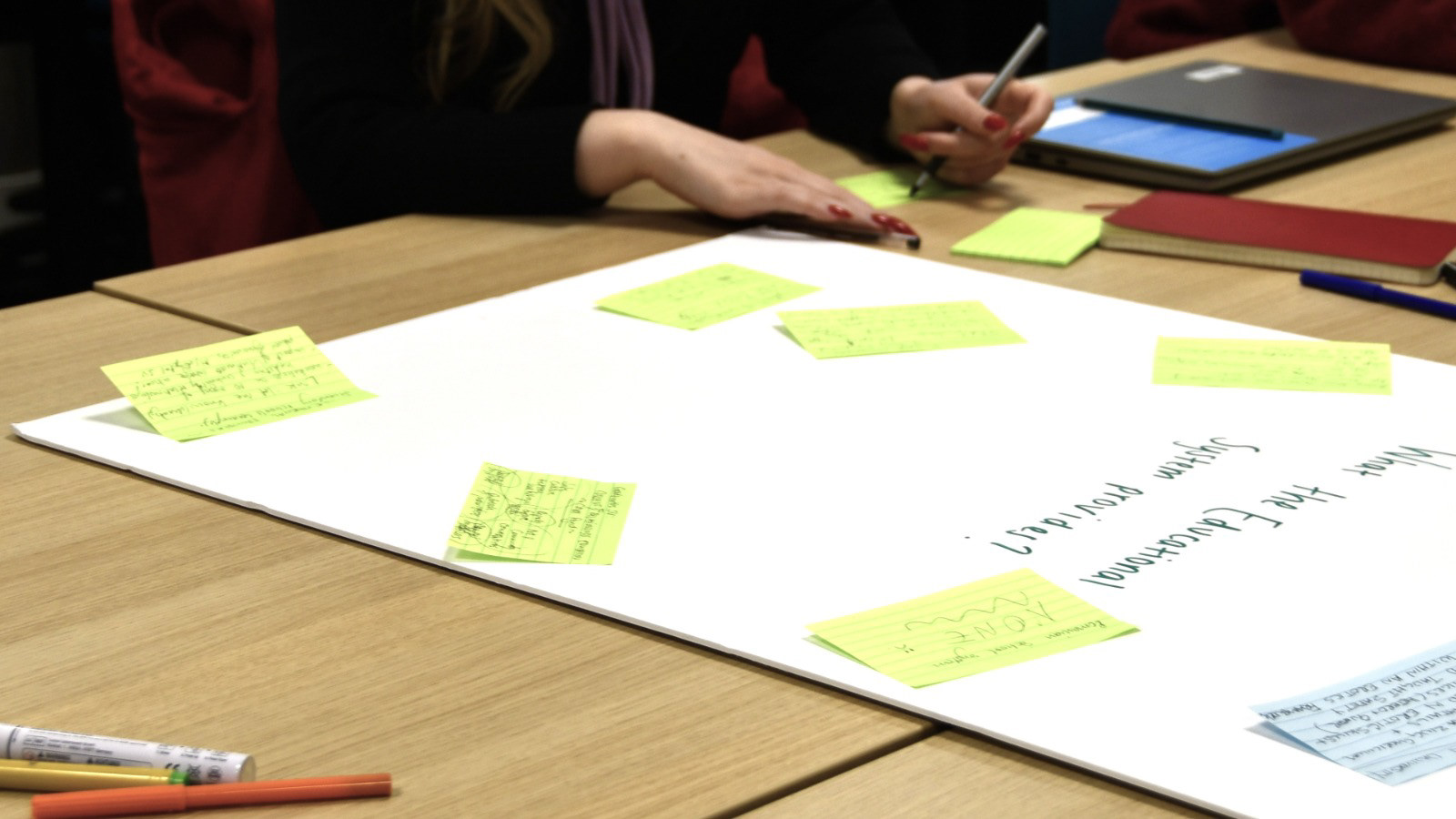
The project combined archival research, workshop facilitation, and collective reflection.
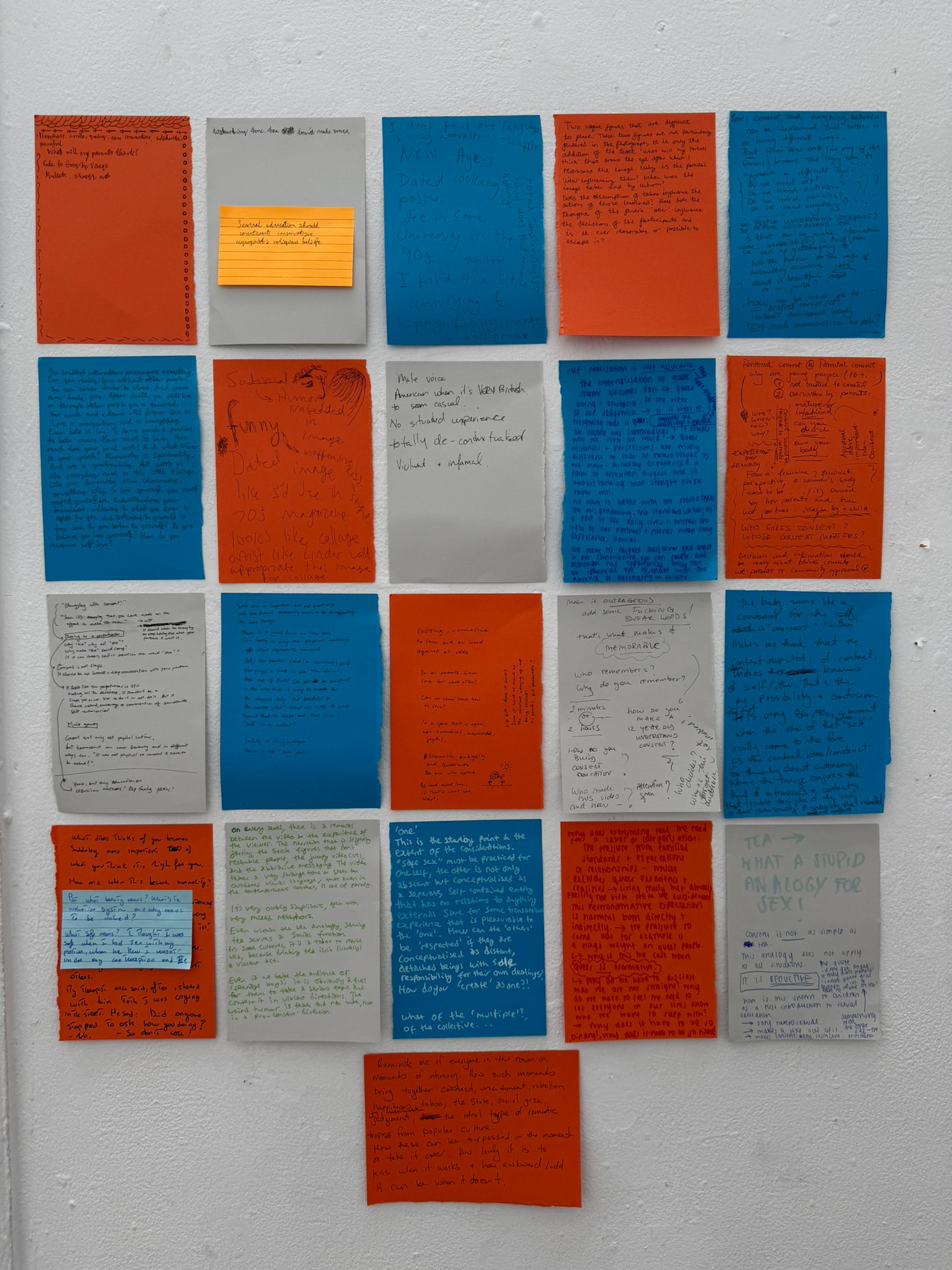
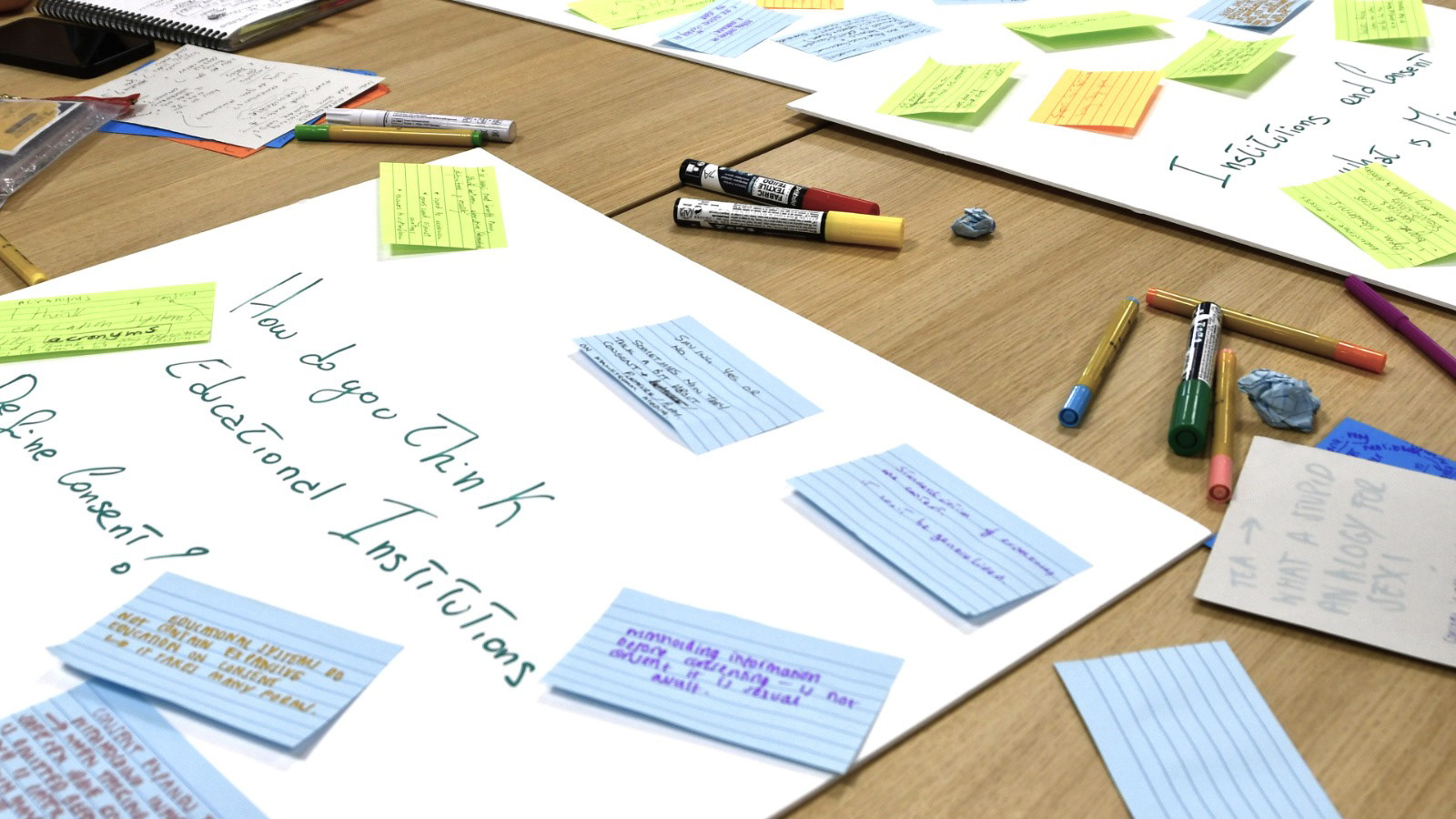
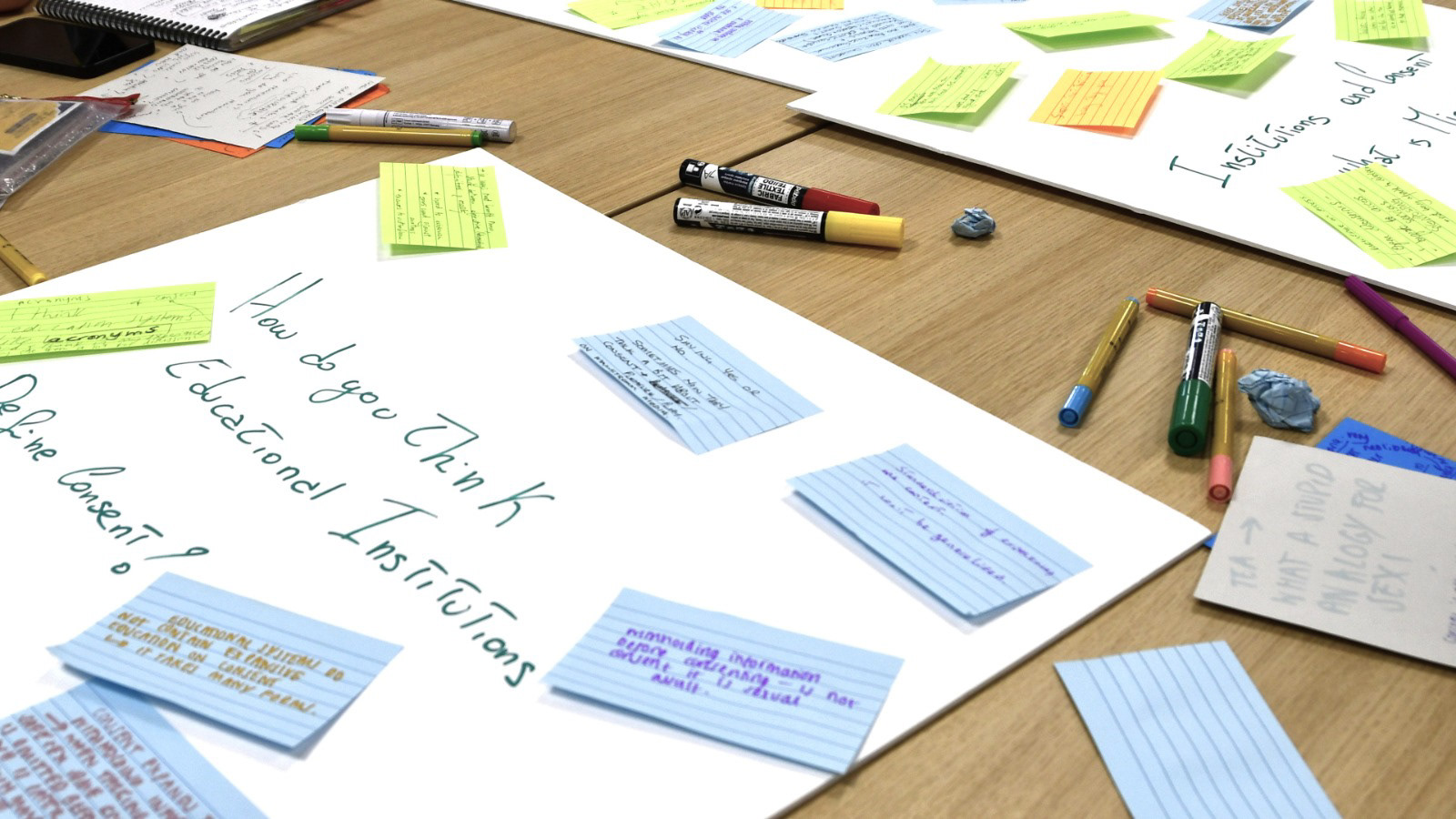
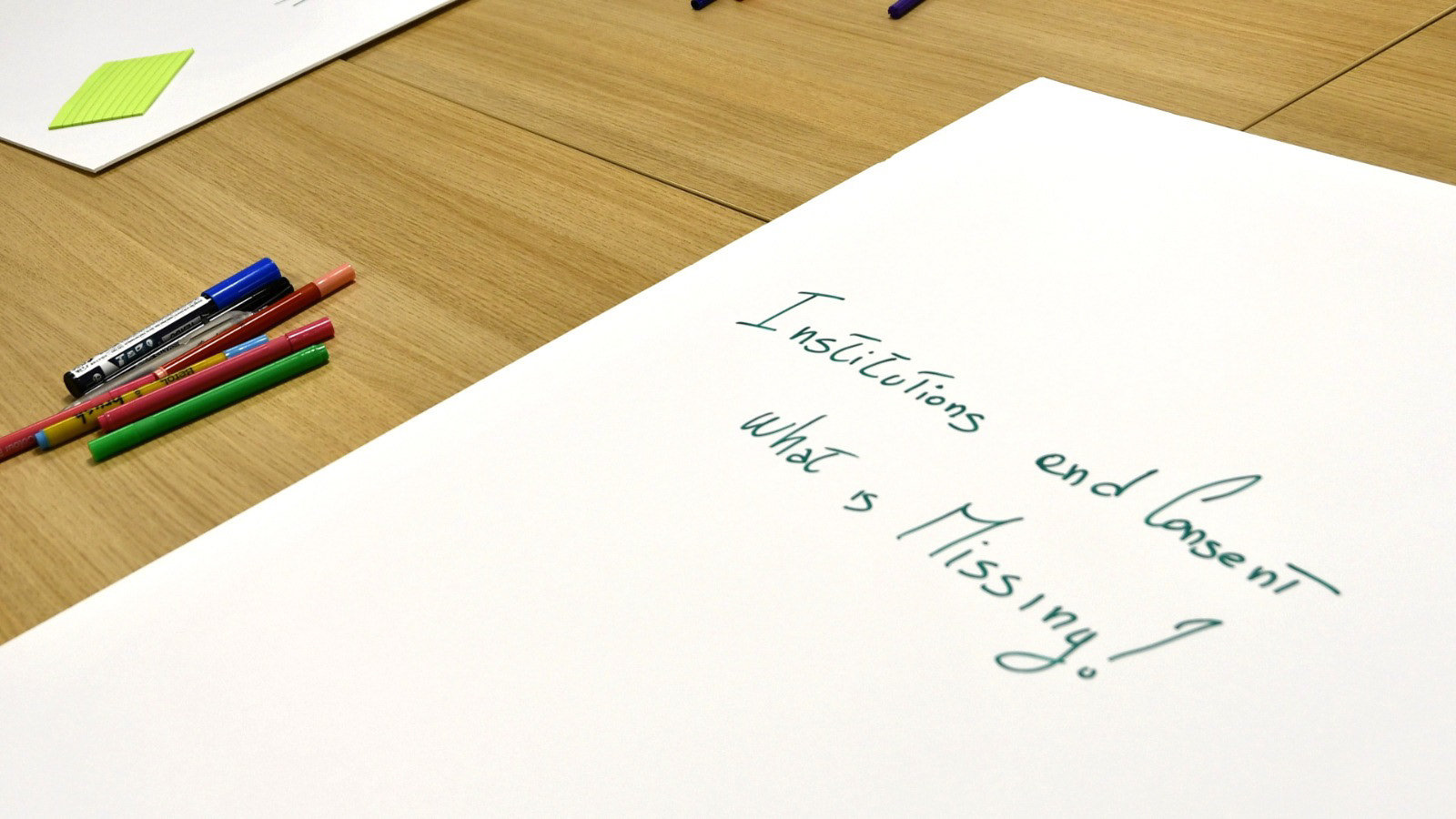
The workshop invited participants to consider how sexual education is communicated within institutional environments and how students have historically created alternative forms of knowledge through activism and peer-led initiatives.
Rather than approaching consent and sexual education only as personal subjects, the project examined them as institutional and cultural questions, exploring how systems of education influence what knowledge becomes available, visible, or excluded.
THEM CLIT Handbook
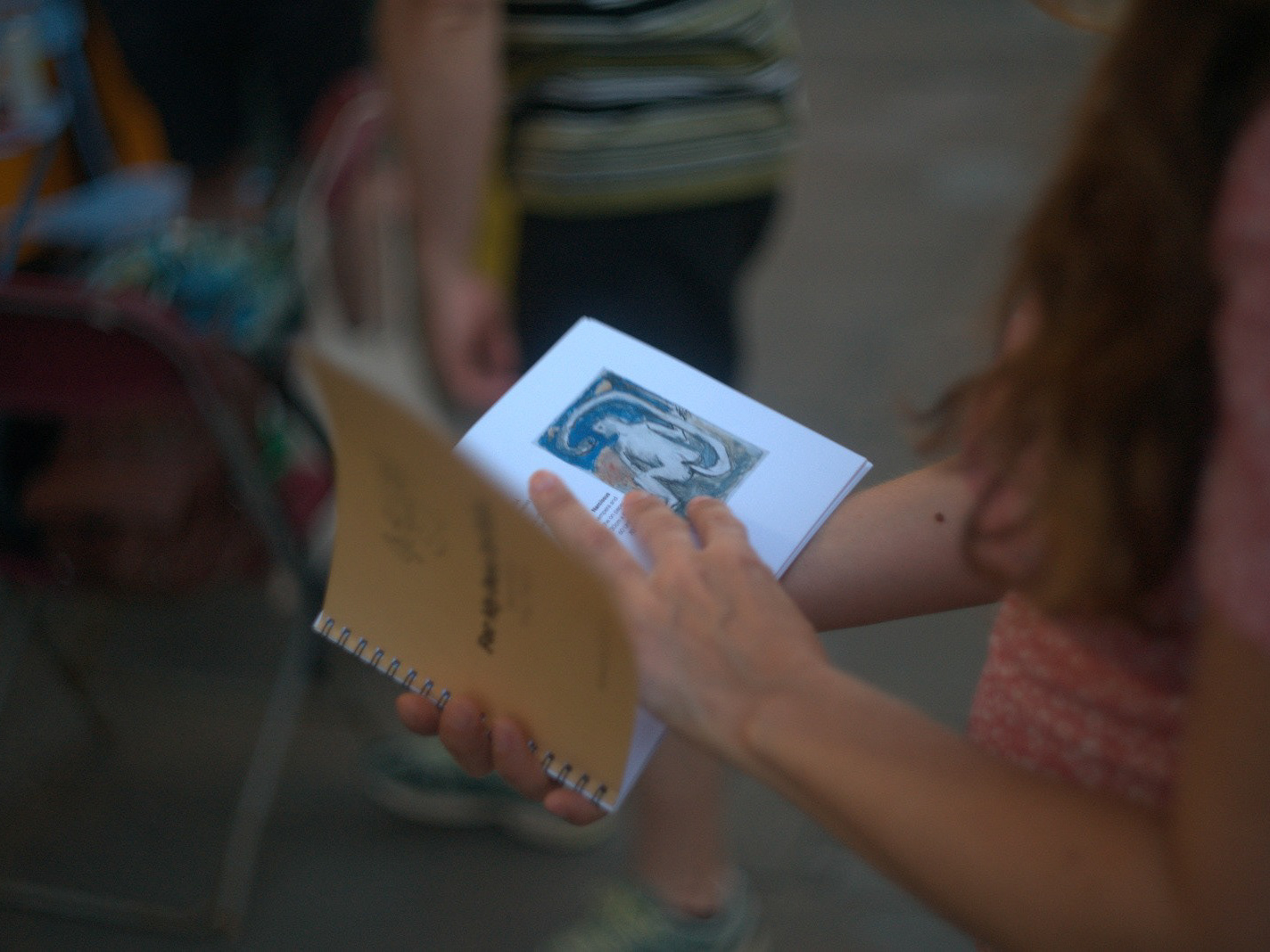
As an outcome of the project, THEM CLIT was developed as a reflective handbook documenting the research, process, and critical reflections generated through the project.
The handbook considers the relationship between sexual education, student activism, and institutional structures. It exists as both a record of the project and a potential foundation for further development as an ongoing publication.
Outcomes
The project demonstrated how curatorial practice can create spaces for examining institutional histories and engaging audiences with complex social issues through research, participation, and collective learning.
By combining archival investigation with public engagement, the project explored how knowledge can be reclaimed, questioned, and redistributed outside traditional institutional frameworks.
Outputs
• Exhibition contribution: From the Campus to the Streets: An Activist Starter-kit
• Participatory workshop
• THEM CLIT reflective handbook
• Archival research
• Written reflection and documentation
• Participatory workshop
• THEM CLIT reflective handbook
• Archival research
• Written reflection and documentation
Skills Developed
• Curatorial research
• Archive-based practice
• Workshop design and facilitation
• Public engagement
• Critical writing
• Participatory methodologies
• Exhibition development
• Archive-based practice
• Workshop design and facilitation
• Public engagement
• Critical writing
• Participatory methodologies
• Exhibition development